Revenue
The San Antonio Short-Term Rental Market: What Property Owners Need to Know
An overview of the San Antonio short-term rental market for owners: demand drivers, pricing trends, regulations, and what high performers do well.
By Megan Blount ·
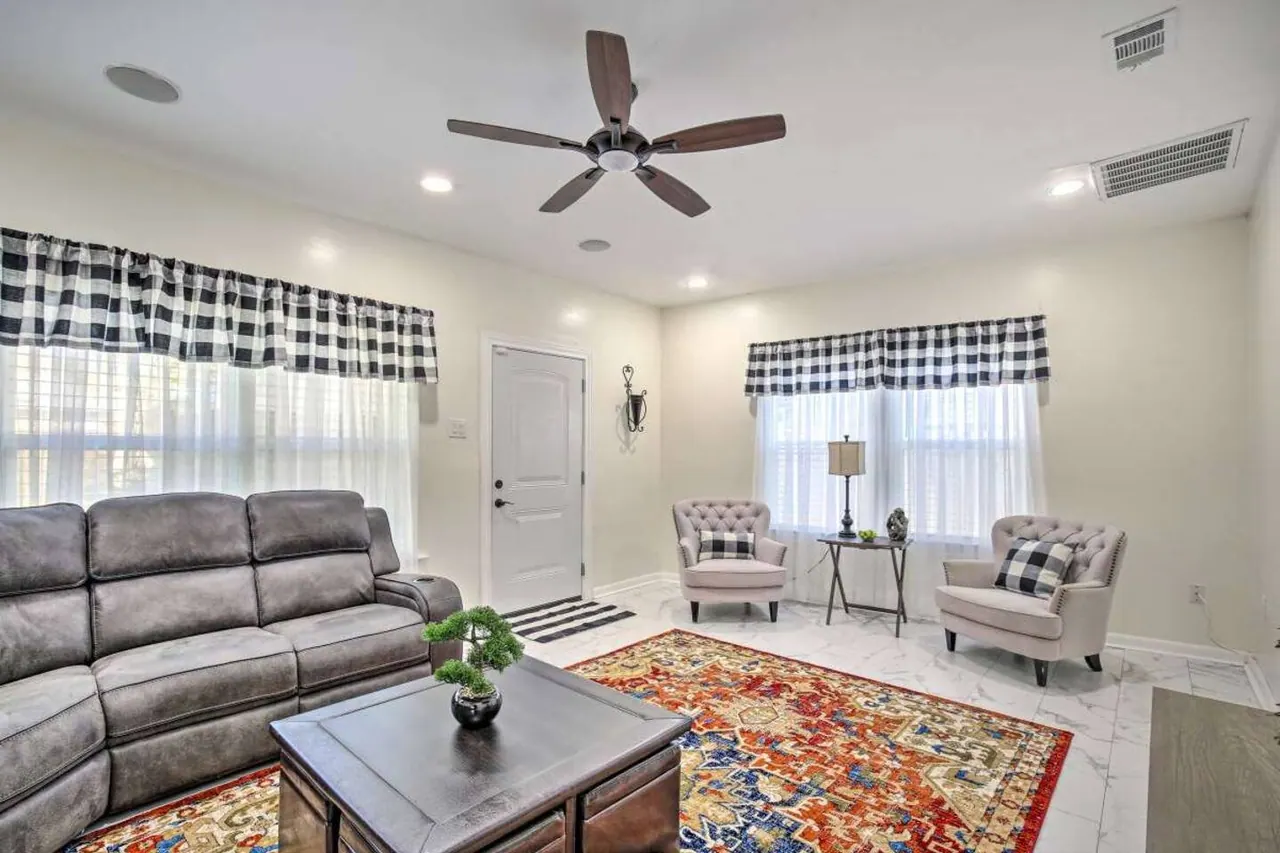
The San Antonio short-term rental market is mature but still expanding. Inventory has grown, pricing tools have become more sophisticated, and guest expectations have risen. For owners who entered the market three or four years ago, the landscape is meaningfully different from what it was at launch.
Here is what the current market looks like, and what it means for owners evaluating performance or considering entering.
Demand drivers that are specific to San Antonio
San Antonio's STR demand comes from a more diverse mix of sources than most Texas markets. Tourism around the River Walk, the Alamo, and SeaWorld is year-round. Military moves generate a steady stream of mid-term demand from PCS families at Randolph AFB, Lackland AFB, and Fort Sam Houston. The Medical Center complex on the northwest side creates demand for medical travel stays. UTSA and the Pearl District area attract weekend leisure travelers from Houston, Austin, and Dallas.
This diversification is one of the reasons San Antonio's occupancy rates are more consistent throughout the year than markets that are primarily tourism-driven. A dip in leisure travel does not collapse the market because military and medical demand continues.
What high-performing properties have in common
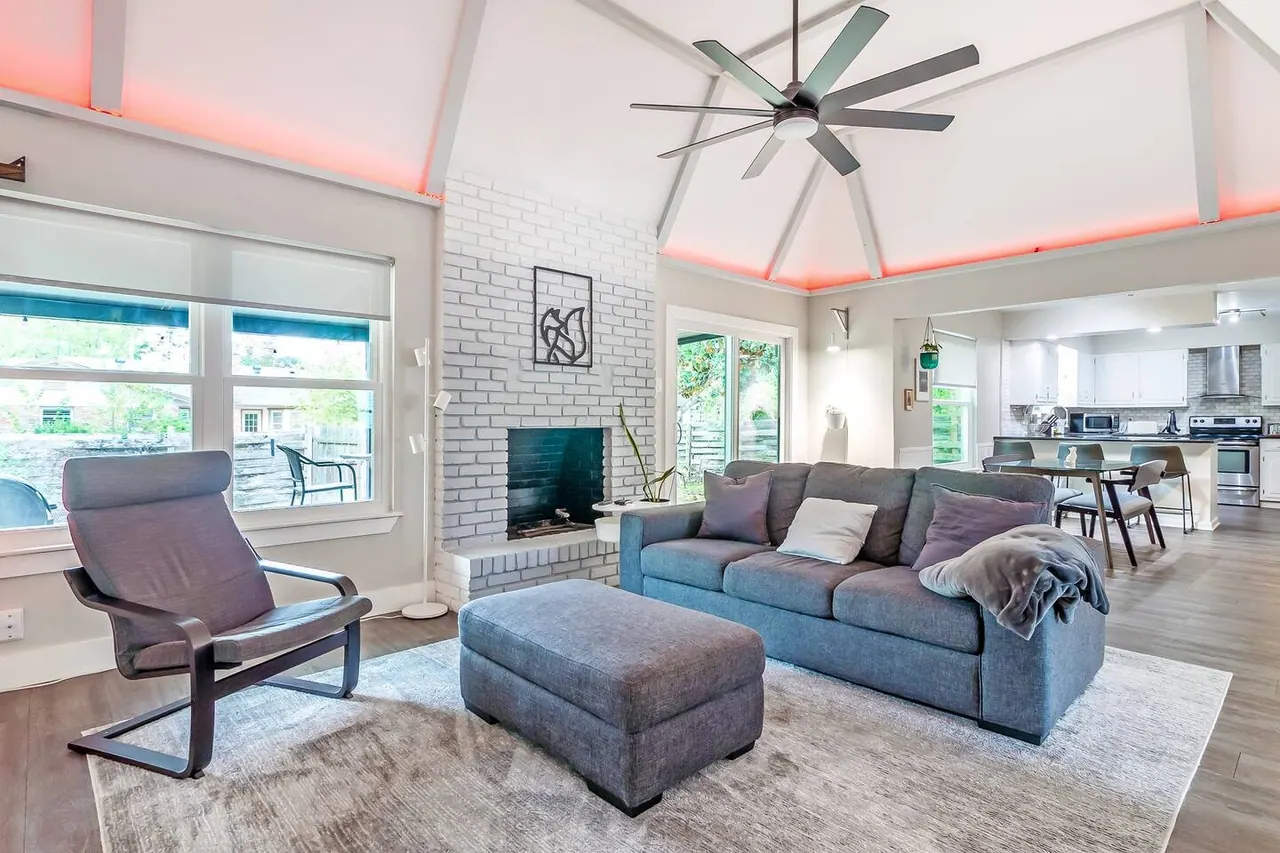
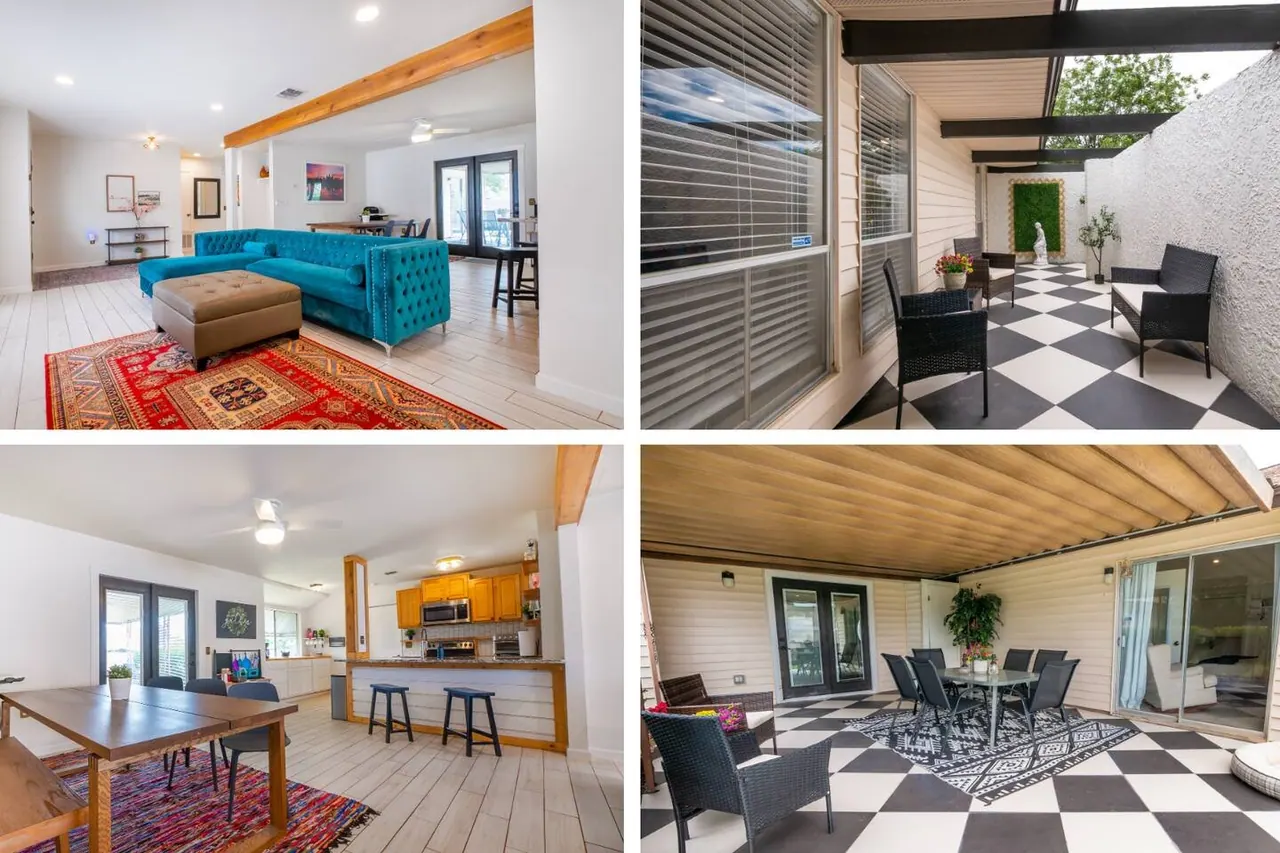
Properties that consistently outperform comparable listings share several traits: professional photography that represents the space accurately, a pricing strategy that adjusts for local events and seasonal demand, consistent cleaning quality that earns and maintains review scores above 4.8, and a guest communication system that handles inquiries quickly at any hour.
The properties that underperform typically do one of two things: they price statically (a flat nightly rate regardless of season or local events) or they manage inconsistently (strong months followed by weak months when the owner is busy or traveling).
Regulations: what San Antonio requires
San Antonio requires short-term rental operators to obtain a Hotel Occupancy Tax account with the city and remit the hotel occupancy tax on all short-term rental income. Bexar County has its own requirements for properties in unincorporated areas. HOA restrictions are separate and vary by development. Any owner evaluating an STR investment or activation should confirm local zoning and HOA rules before listing.
Co-hosting vs. self-management in the current market
The management overhead required to maintain a top-performing property in a competitive market has increased over the past two years. Guest expectations around response time, check-in smoothness, and property condition have risen alongside the inventory. Owners who self-manage and cannot maintain response times under an hour, consistent cleaning quality, and reliable maintenance coordination are seeing that reflected in their review scores and, subsequently, their occupancy.
Full-service co-hosting shifts that burden while maintaining owner oversight and control of the asset. If you own a property in San Antonio and want an honest assessment of its current performance potential, start with a property analysis before deciding whether to list, re-list, or transition to co-hosting.
Next step